The four most important things to the Berggrün's were family, their faith, education, and music. The three sons of Johann Daniel Berggrün were teachers, docents, organist, and cantors. Mateus Eduard Berggrün worked and lived in Svobiskis,
Karl ( Karol) Berggrün lived in Nemunėlio Radviliškis and Johann ( Jan) Berggrün lived in Papilys. With Daniel Berggrün being an organist and cantor, his children were exposed early on to the heavenly sound of the organ and were taught the art of playing. Daniel Berggrün’s second wife was named Anna Christina Gerhardt. Her father, Johann Daniel Gerhardt, was an organist and cantor as well. Mateus Eduard Berggrün received the musical talent from both sides of his parents.
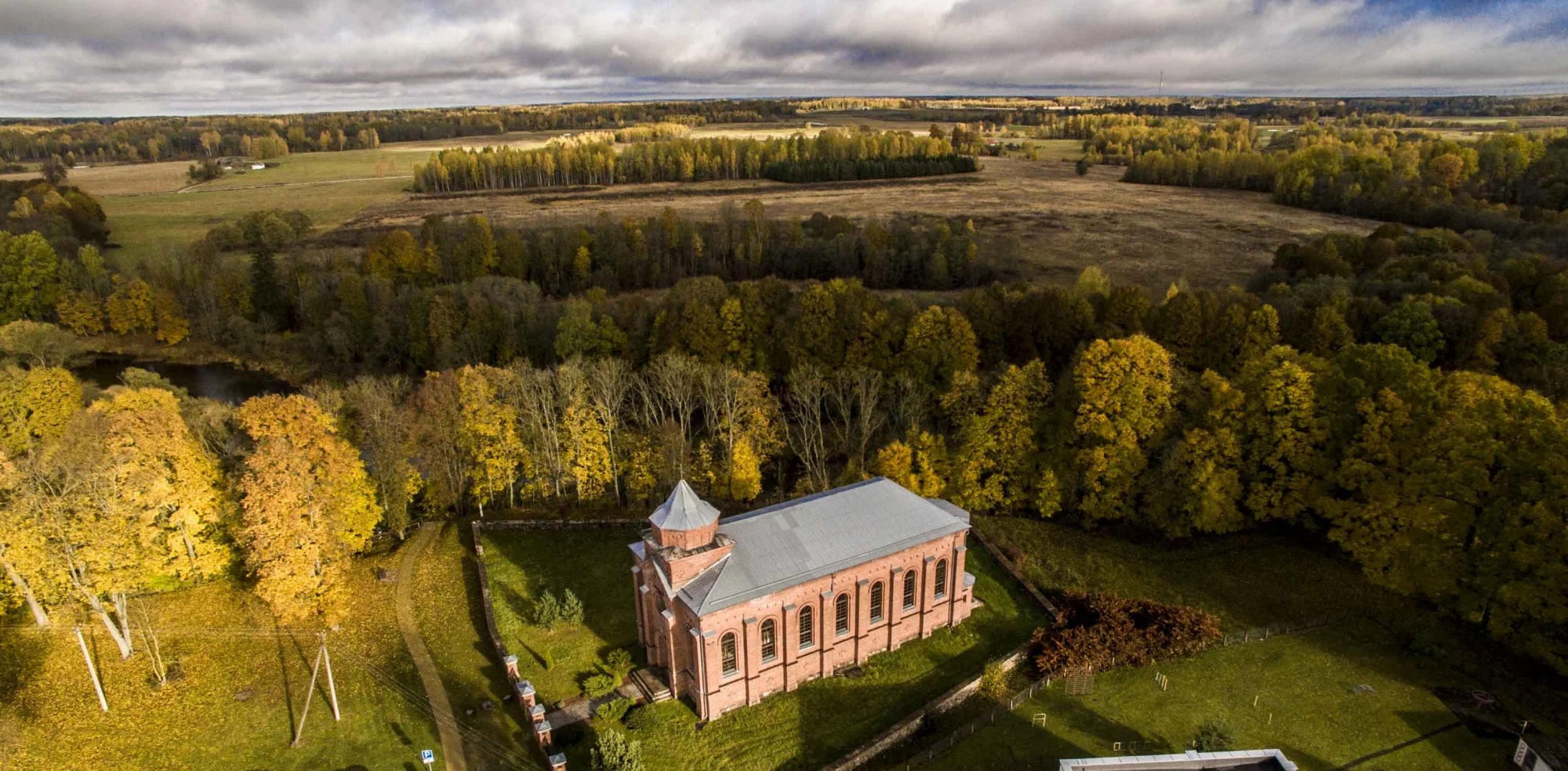
According to the school records, we found that Mateus Eduard’s children received education at an early age. His daughter Emilia, born in 1837, went to school from 1843 to 1848. Unusual for the time and for being a female, significant focus was set on Emilia's education, and there were undoubtedly plans for her future. His sons Theodor Eduard, Wladislaw Rudolf, Antoni Leopold and Adolf went to school in Svobiskis as well. Antoni ( Antanas) Leopold Berggrün continued the family tradition and became an organist and cantor in the oldest evangelical reformed church in Lithuania in the town of Papilys. The last organist in the Berggrün family would be the late Faustas Strolia ( born 1937, death 2014) the son of Senta Strolia Grube, daughter of Berta Grube Berggrün. Berta Berggrün is the daughter of Wladislaw Rudolf and granddaughter of Mateus Eduard Berggrün.
Mateus Eduard Berggrün’s children were privileged to receive an education and any school was open to them. Mateus Eduard's sister, Maria Frederika, was married to Kazimieras- Kristupas Dauksa who was a Lithuanian linguist and teacher. Their son, Eduard Jakob Daukas, was a Lithuanian poet, translator and freedom fighter in the uprise in 1863. He studied medicine in 1854 - 1856 at Kedainiai and Slucka Evangelical Reformed Gymnasia and in Moscow during 1856-1858 at University of Tartu, in 1858-1860 he also studied Philology at the University of Königsberg .
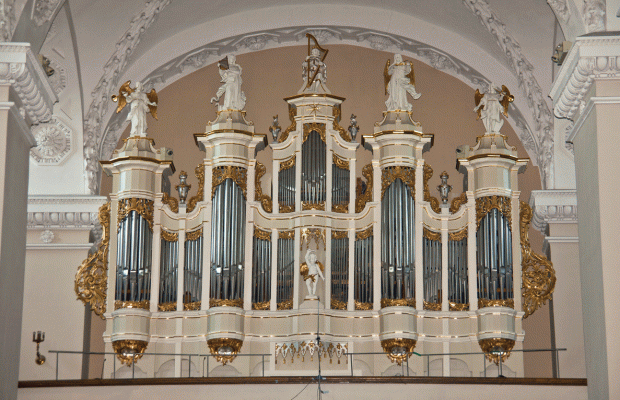
The importance of education and the love for music and dance has been passed down from one generation to the next throughout the last two centuries. For us, it's easy to love the heavenly and magical sound of the organ, which tones carry the celestial traces of our ancestors.